                                    Blog post #1: 24-Hour Media Diary

                              UNDERLINED WORDS ARE HYPERLINKS
To complete this assignment, I tracked my media consumption over 24 hours to really see what I am actually taking in throughout the day. Honestly, I did not expect how much of it would bring such intense emotion… especially once I slowed down and paid attention! We have been talking about misinformation and how it shows up in everyday media, and I can already tell my mindset has shifted.
What stood out to me through this assignment is that misinformation is not always about something being completely false. A lot of what we see can have some level of truth, but it is often incomplete, emotionally framed, or repeated in a way that shapes how we interpret it, or even maybe just simply to what is most comfortable to somone. That is what made me realize how easily information—accurate or not—blends into my daily routine without me even noticing.
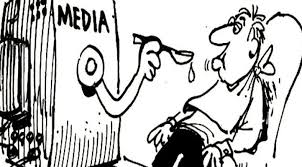
Media Log
5:00 a.m:
Wake up and immediately check my email, (I know, I know… I even wake up before my alarm (EVERY DAY), then open TikTok (like clockwork at this point). Right away I’m seeing videos about Erika Kirk—specifically commentary about her being a widow who is publicly grieving while also stepping into leadership of a multi-billion-dollar company and going on tour. What stood out immediately is how polarizing the content is. Some creators frame her as strong and resilient, while others frame the exact same situation as inappropriate or suspicious.
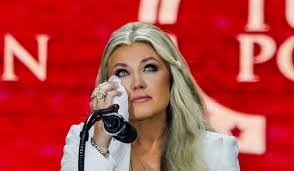
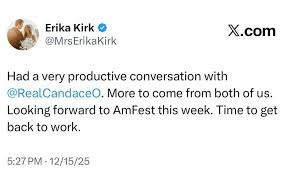
That is where it started to click for me—this is not just information, it is framing. Both sides are using emotional language to push a narrative, but neither is really showing full context or reliable sources. It made me pause and think, am I forming an opinion based on facts, or just how it’s being presented to me? This is exactly what we have talked about in class—misinformation does not always mean something is false, but that it is shaped in a way that influences how we interpret it.
If I wanted to verify what I’m seeing, I would need to step outside of TikTok and look at credible news sources or original reporting about her situation. I would also compare how different outlets are framing the same story, because the differences in tone alone show how easily perception can be shaped!!!
- 5:25–6:00 a.m:
- Go on my usual 5K run—this has become part of my everyday routine!!! It has had a really strong impact on my mental health—especially because even when everything else feels chaotic, this routine keeps me grounded.
6:00 a.m:
Still scrolling TikTok. Now my feed shifts into Christian-based content about the end times, including references to texts like the Book of Enoch and connections to current world events. This is content I personally connect with—I was raised Christian, and I do believe in these teachings and the meaning behind them. When I hear these interpretations, they do not feel random to me—they feel grounded in something real, especially when they align with what I already understand and believe.

At the same time, stepping back with what I have learned in this course, I can recognize that this type of content is still being presented as fact in a very strong and emotional way, even though it is based on interpretation and belief. That does not make it false to me, but it does mean that not everyone will view it the same way or accept it as verified information. So now I find myself thinking in two ways at once—this is something I believe to be true, but also how is this being presented, and how might it influence someone who does not share that background? That awareness is something I did not have before, and it helps me better separate personal belief from how information is communicated in media.
Even though I personally believe in this content, I recognize that verifying it would look different than verifying news or data. It would involve understanding the historical context of the text, how different scholars or denominations interpret it, and recognizing that belief-based content is often presented as truth without the same type of evidence expected in other areas.
8:00 a.m:
Start seeing multiple “First Amendment audit” videos. These usually show someone standing in a public space, often wearing a face covering and holding recording equipment near entrances or buildings. I understand why people feel uncomfortable in that situation—that reaction is real—but at the same time, these videos highlight a lack of awareness about public recording laws. From what I understand, if someone is in a public space, they generally have the right to record.
What stands out to me is how quickly people react emotionally instead of stepping back or removing themselves from the situation. Instead of recognizing their option to disengage and maintain their own privacy, people often confront the person filming, which escalates the situation. Watching this, I find myself thinking, you might feel uncomfortable, but that does not automatically mean something illegal is happening.

At the same time, applying what I have learned in this course, I can also see how these videos are presented in a very one-sided way. The person filming is usually shown as calm and knowledgeable, while others are shown reacting emotionally or appearing uninformed. That creates a clear narrative for the viewer, even though we are likely not seeing the full context of what led up to the interaction. So while the legal aspect may be real, the way the situation is framed can still influence how we interpret who is “right,” which is where media presentation becomes important.
To actually verify what is happening in these situations, I would need to look at the laws themselves or credible legal sources, not just rely on edited clips. Watching full, uncut footage or reading about similar cases would give a more accurate understanding than a short, emotionally charged video.
10:00 a.m:
Now, I am seeing health-related content—what to eat, what to avoid, what’s considered “toxic” versus “healthy.” This is one area where I actually do believe there is truth behind some of what is being said. Taking care of your body, eating well, and being intentional about what you consume matters. That part is not the issue.
What stands out to me, though, is how extreme and one-sided the messaging becomes. A lot of these videos push the idea that you should only eat a certain way strictly for function or optimization, almost removing the idea of enjoyment entirely. It becomes less about balance and more about control—like food is only for performance, not for experience or moderation.

Watching this, I find myself thinking, yes, your body needs proper fuel—but it also needs balance depending on your lifestyle, movement, and daily demands. Not everything can be reduced to “good” or “bad” the way these videos make it seem. That kind of framing feels misleading because it simplifies something that is actually more complex.
From what I’ve learned in this course, this is another example of how information can be presented in a way that feels authoritative but lacks full context. There is truth in the idea of health, but the way it is delivered—without nuance, evidence, or individual variation—can easily influence people to adopt extreme views…
To fact-check this type of information, I would need to compare it with research-based sources like medical websites or nutritional guidelines, rather than relying on influencers. A lot of these claims sound convincing, but without; evidence, context, or common sense they can easily be misleading…
1:00 p.m:
Scrolling again through TikTok / YouTube / Instagram and notice the same types of content repeating—commentary, emotional reactions, health advice. What really stood out here is how repetition starts to make things feel more believable. Even if I questioned something earlier, seeing it multiple times makes it feel more familiar and “true.”
This directly connects to what we have learned about how misinformation spreads—not just through false claims, but through repetition and exposure. It is honestly kind of concerning to realize how subtle that effect is in real time…
I started realizing that if someone is constantly consuming the same type of content—whether it is about lifestyle, health, politics, or even beliefs—they can begin to build their identity around information that may not even be fully accurate. It is not just about being “right” or “wrong” in one video, but how all of that content adds up over time and influences the way a person sees the world.
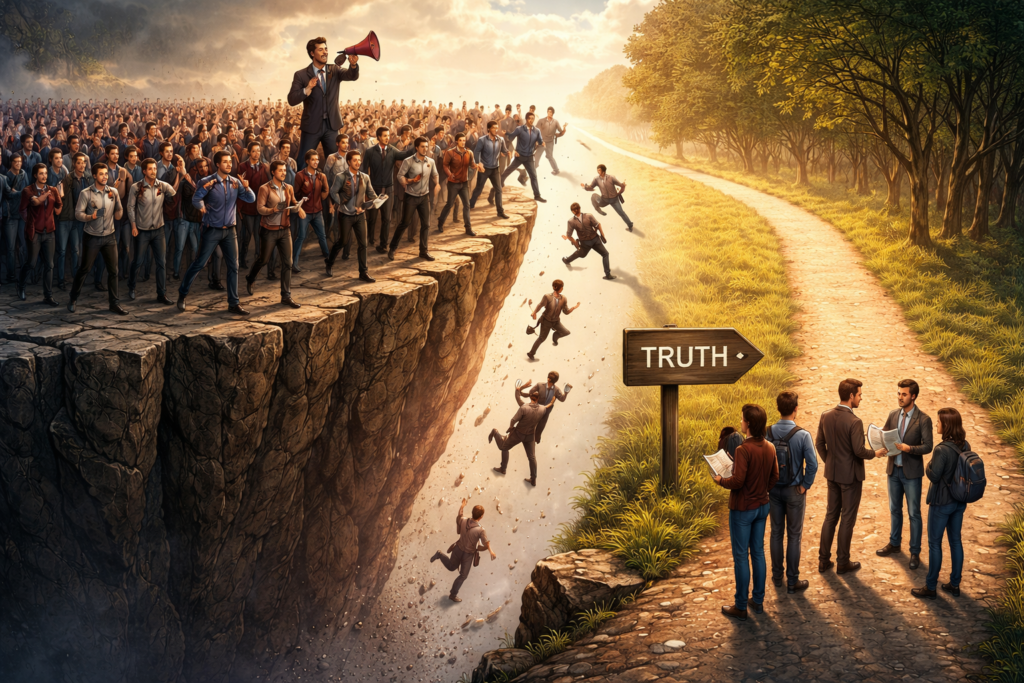
That made me reflect on my own feed. It is not just random videos—it’s patterns. And those patterns can shape opinions, behaviors, and even how someone presents themselves. That is honestly a little concerning, because it shows how easily misinformation or incomplete information can go from something you watch to something you actually believe and live by.
Verifying information here would mean not just accepting repeated claims, but actively checking whether those claims are supported by reliable sources. Just because something is seen multiple times does. not make it accurate, so it would require intentional effort to confirm what is actually true.
7:00 p.m:
End the day back on TikTok. Same themes, same topics, just different creators; human or artificial, saying similar things. At this point, it is clear this is not random—it is the algorithm feeding me content based on what I’ve already engaged with.
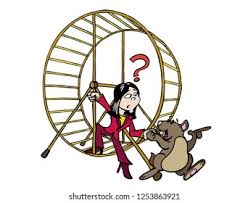
This creates a cycle where certain perspectives—especially more emotional or extreme ones—get amplified. That is what makes the content feel so convincing, even when it lacks evidence. It also reinforces polarization, because I am mostly seeing similar types of viewpoints rather than a balanced range of information.
To break out of that cycle and verify information, I would need to intentionally seek out different perspectives and sources, rather than relying on what the algorithm shows me. Otherwise, I am only seeing one VERSION of reality.
Evaluating Credibility
Throughout the day, I noticed that a lot of the content I consumed was not completely false, but it could sometimes be incomplete and emotionally driven. The Erika Kirk content showed how the same situation can be framed in completely different ways depending on the narrative being pushed. The religious content blurred the line between belief and ACTUAL fact. The First Amendment videos showed how editing can shape perception, and the health content demonstrated how easily unsupported claims can be presented as truth!
To verify these types of information, I would need to look at multiple sources, especially credible and research-based ones; we all should! This includes checking for evidence, comparing perspectives, and identifying whether the content is informational or persuasive. Truly, common sense and intuition will serve MYSELF and everyone.
Reflection
What stood out to me most from this assignment is not just how much media I consume, but how consistently it follows patterns. It is not random—I am being shown similar types of content, similar tones, and similar perspectives throughout the day.
The biggest shift for me is realizing that misinformation is not always about something being completely false. A lot of what I saw had some level of truth to it, but it was incomplete, emotionally framed, or presented in a way that pushes a specific interpretation. That is what actually makes it convincing.
I also became more aware of how quickly people—including myself—form reactions. Whether it is the First Amendment videos or opinion-based content, people respond emotionally first and question later, if at all. That reaction alone can shape how a situation is understood, even before all the facts are clear.
Another thing I noticed is how repetition builds belief over time. Seeing the same type of content throughout the day makes it feel more familiar and more valid, even if nothing new is being proven. That is where I can see how someone could slowly build their identity or worldview around information that has not really been verified.
Because of this, I do not feel like I can just passively consume media anymore. I catch myself stopping and thinking about where something is coming from, what might be missing, and how it is being presented. (I will QUICKLY skip a video when my INTUITION alarms)! ha ha ha That awareness is probably the biggest takeaway for me—it is not about rejecting everything, but about not accepting everything at face value either!!!
Leave a Reply